Homecoming Project, Inc. Bel Air
Homecoming Project, Inc. Bel Air is a residential rehab for women in Bel Air, Maryland. The center is one of 422 facilities listed on SAMHSA FindTreatment.gov for the state. This section covers whom the program treats and how to reach it.
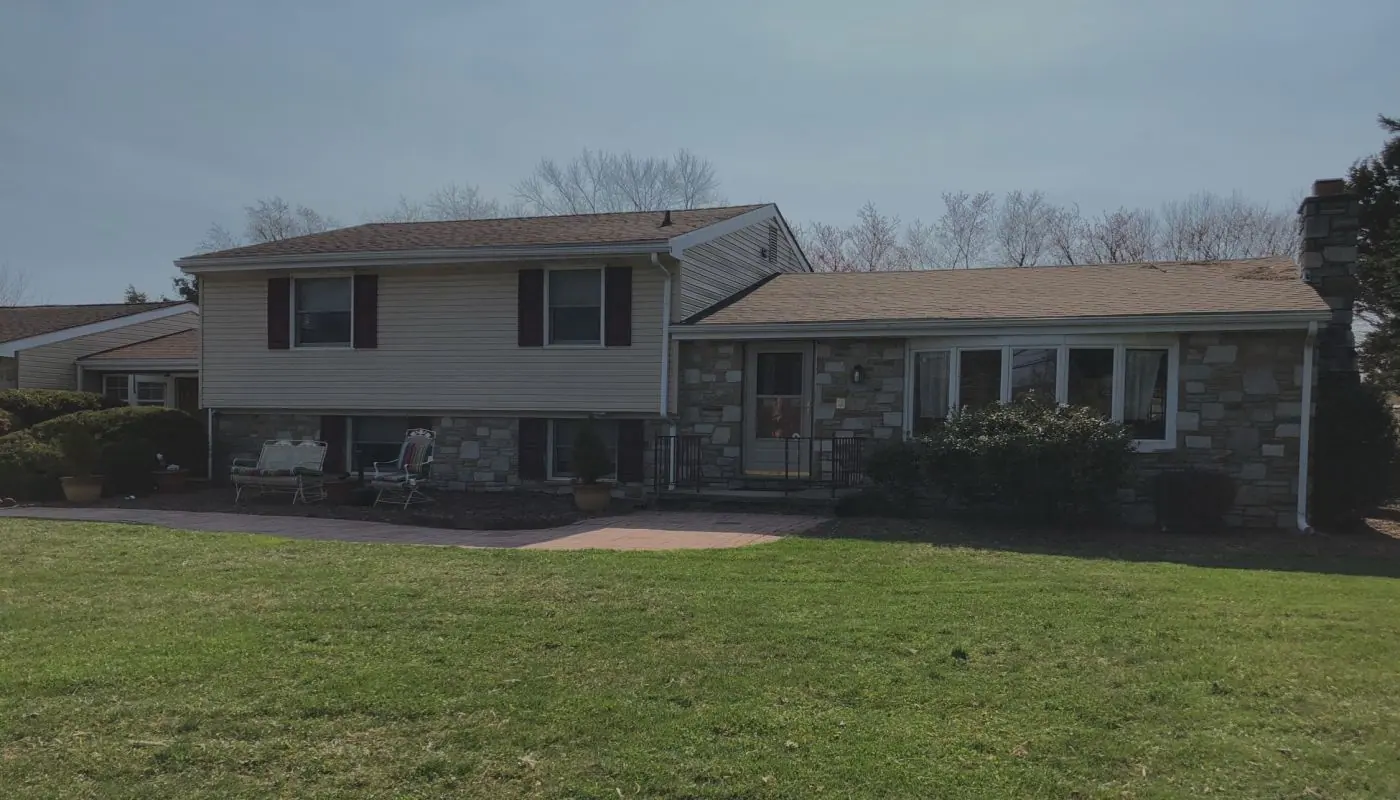
- Residential Rehab
- 30 days
In Bel Air, Maryland, Homecoming Project, Inc. runs a residential rehab for women 18 and older who are dealing with alcohol and drug problems, frequently together with mental health conditions. A number of residents come in facing unstable housing or other practical strains on top of a substance use disorder, which is why the program combines treatment with structure and everyday support. This Bel Air rehab is one of 422 SAMHSA-listed facilities in Maryland and holds state certification for this halfway house setting.
The program calls itself family-centered and wide in what it covers. Drinking or drug use is not addressed on its own; women get help rebuilding daily routines, how they communicate, and their relationships. Homecoming Project, Inc. Bel Air offers women's care with individual and family counseling, along with household and life skills and 12-step participation, all provided in English within a protected setting.
When someone calling has no housing or no job, case management ought to start there. What the center's own wording highlights is how much weight it gives to the conditions that surround recovery. Its case management is built around women without housing or work, around those who need continuing psychiatric care for co-occurring conditions, and around residents with no insurance who need medical checkups. Should any of that match a caller's circumstances, raise it near the beginning of the call. You can use the helpline to find out if this Bel Air center takes Maryland Medicaid.
Programs at this Bel Air rehab
Inpatient care is the main level of care offered, and a typical stay runs 30 days. The listed therapies cover group therapy, family therapy, one-on-one counseling, art therapy, acupuncture, recreation therapy, life skills work, relapse prevention counseling motivational interviewing and twelve step facilitation. Family participation, individual care and a 12-step focus are woven together. This Bel Air addiction treatment center pairs family involvement with individual treatment and a clear 12-step orientation.
When a person leaves the 30-day residential program without a clear plan, the chance of going back to heavy drinking grows. Aftercare here is planned, not left open-ended: continuing care, discharge planning, employment counseling, family follow-up counseling, in-person follow-up sessions, support meetings, relapse prevention planning and a recovery coach. Helpline advisors can help you find out what aftercare this Bel Air center provides and whether your insurance covers it. Ask about outpatient programs as a step-down option after residential care if a full 30 days does not suit the situation.
- Individual Treatment
- Twelve Step Facilitation
- Life Skills
- Relapse Prevention Counseling
- Twelve Step
- Group Therapy
- Acupuncture
- Motivational Interviewing
- Art Therapy
- Family Therapy
Which women this program is set up for
- Women only, ages 18 and older, including midlife adults and older adults
- Women working through alcohol use, drug use or prescription and synthetic drug problems
- Women who have dual diagnosis care and require ongoing psychiatric follow-up
- Women dealing with grief and loss, stress or trauma alongside substance use
- Women facing homelessness or unemployment who need case management and life skills support
Treatment setting, stay length, languages
A typical stay lasts 30 days in a residential setting, and the program is delivered in English. Air conditioning is available in rooms, which may be private or shared. AA and NA meetings form part of the weekly schedule. If you need a bed soon, call the helpline to ask what is open right now; the helpline does not admit anyone and cannot promise a placement. This Bel Air facility provides a secure, supportive setting for women who are rebuilding their lives.
Paying for treatment here in Bel Air
Payment details are not listed in the available data, so cost is a question to raise directly with the center. The helpline is free to call, and advisors can help you ask about Medicaid, private insurance and other options. If you have Maryland Medicaid, then confirm whether this residential program accepts it before you plan a move, since not every facility takes every plan. The helpline is private and commits you to nothing, so you can ask about coverage without pressure.
Worth asking before admission in Bel Air
- Is there a bed available for a 30-day residential stay, and when could someone move in?
- Does the program accept Maryland Medicaid or my specific insurance plan, and what would I owe?
- How is psychiatric follow-up arranged for co-occurring conditions?
- What does aftercare look like after discharge, including follow-up sessions and recovery coaching?
- What should be brought for a shared or private room, and what is not allowed on site?

Other options to consider
-
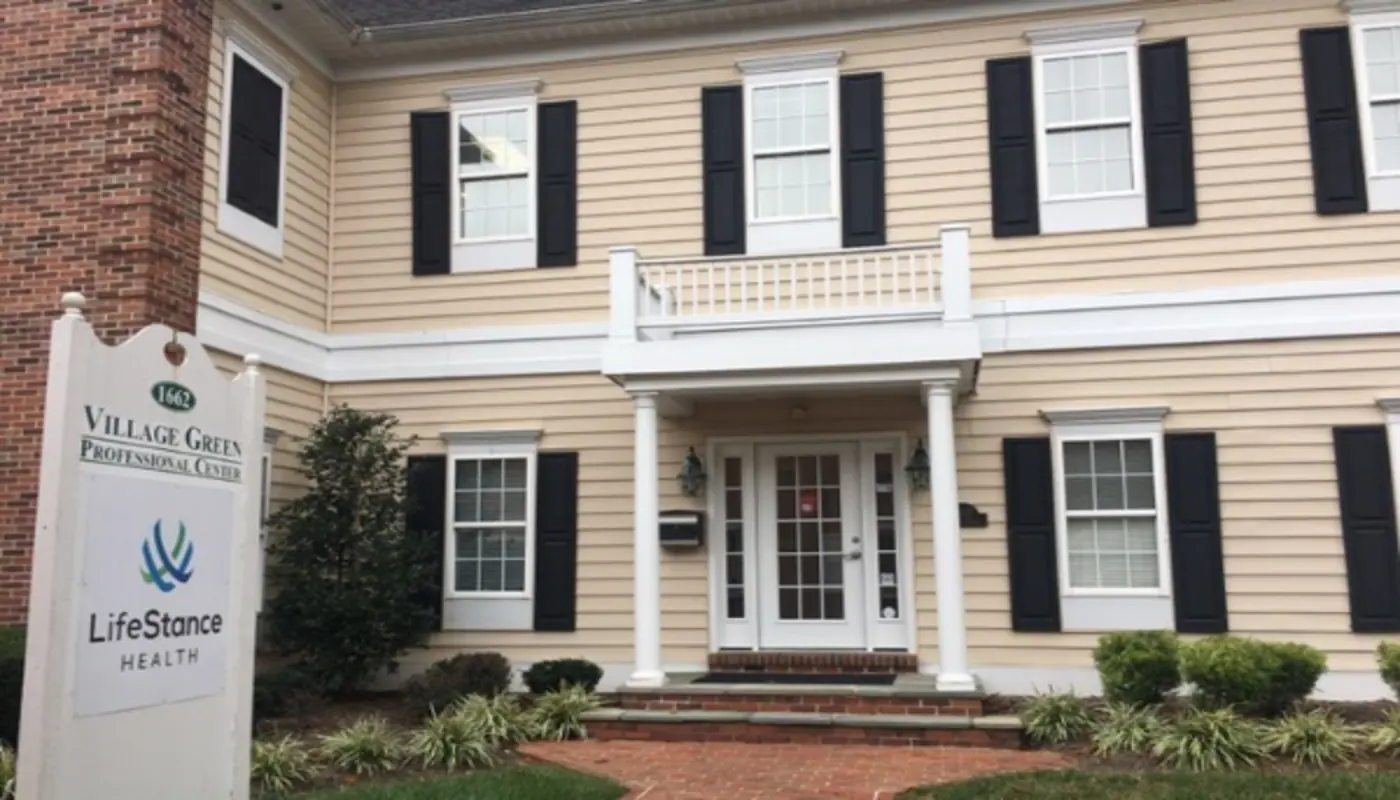
lifestance health crofton is an outpatient mental health and addiction treatment clinic.
30 days
View facility -
- Outpatient
- Residential Rehab
HealthPort Salisbury is a Maryland rehab center offering residential and outpatient care.
30 days
View facility -
- Outpatient
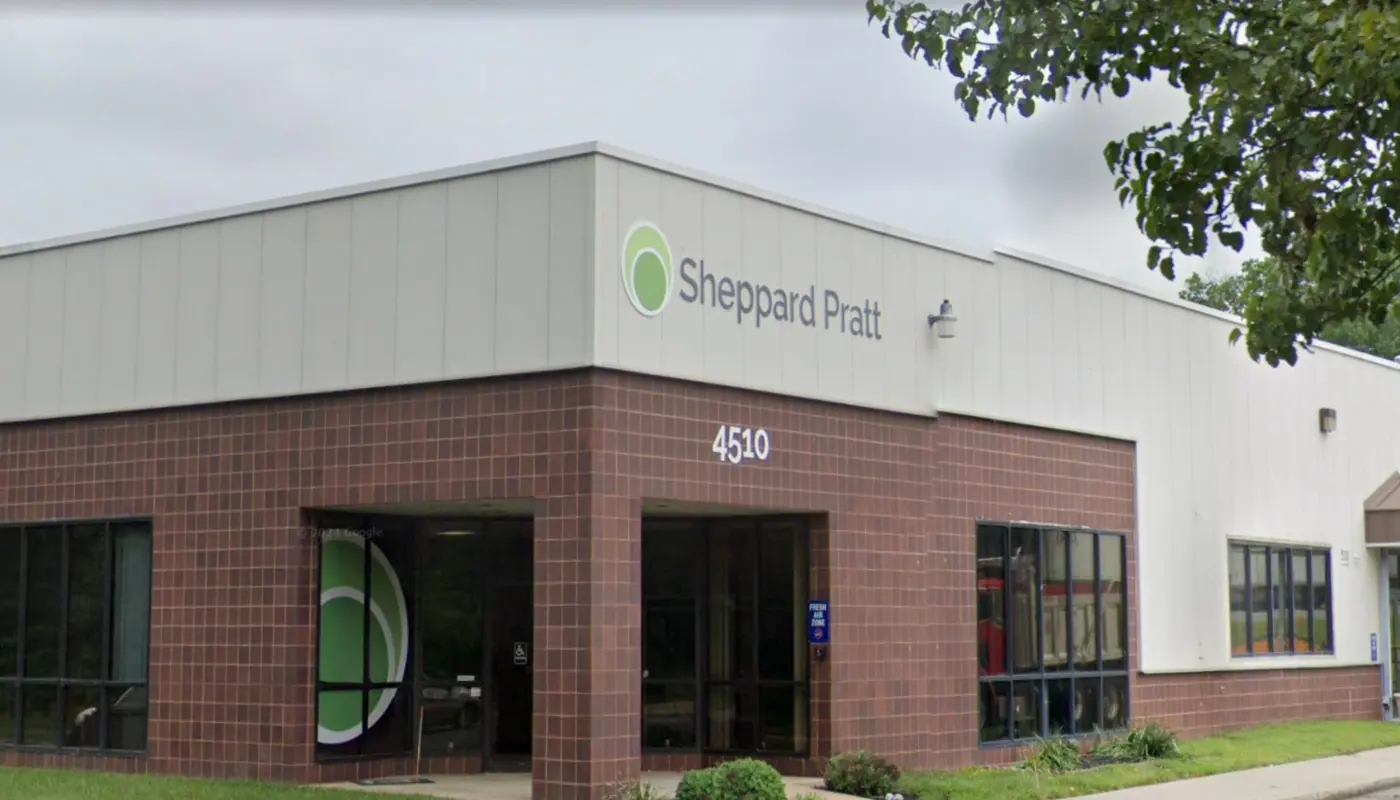
The Sheppard Pratt Belcamp Day Program Belcamp is an outpatient option on Wharf Point Court.
5 days
View facility -
- Co-Occurring Mental Health
- Outpatient
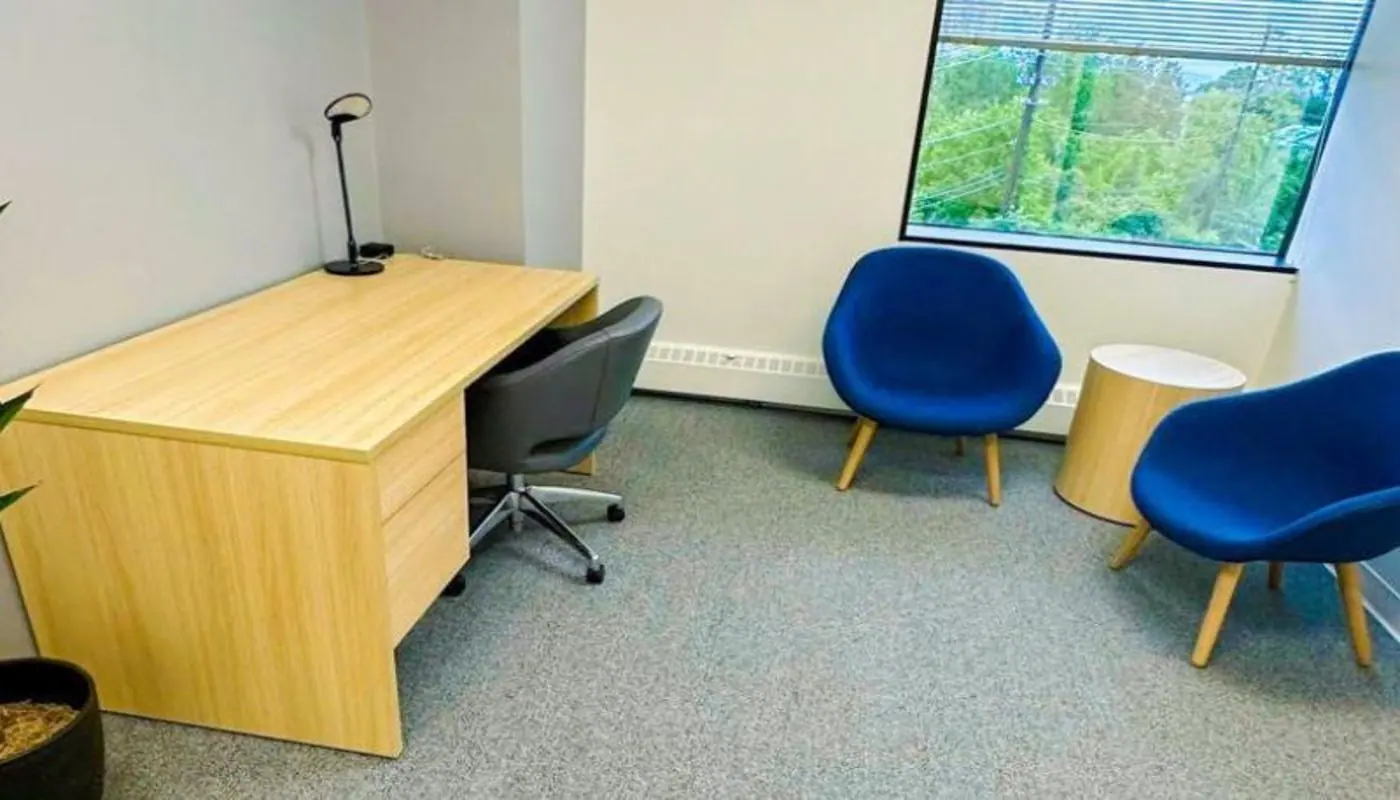
Columbia Associates North Bethesda Rockville provides outpatient alcohol rehab in Rockville, Maryland.
30 days
View facility -
- Accredited by the Joint Commission
- Co-Occurring Mental Health
- Outpatient
- Residential Rehab
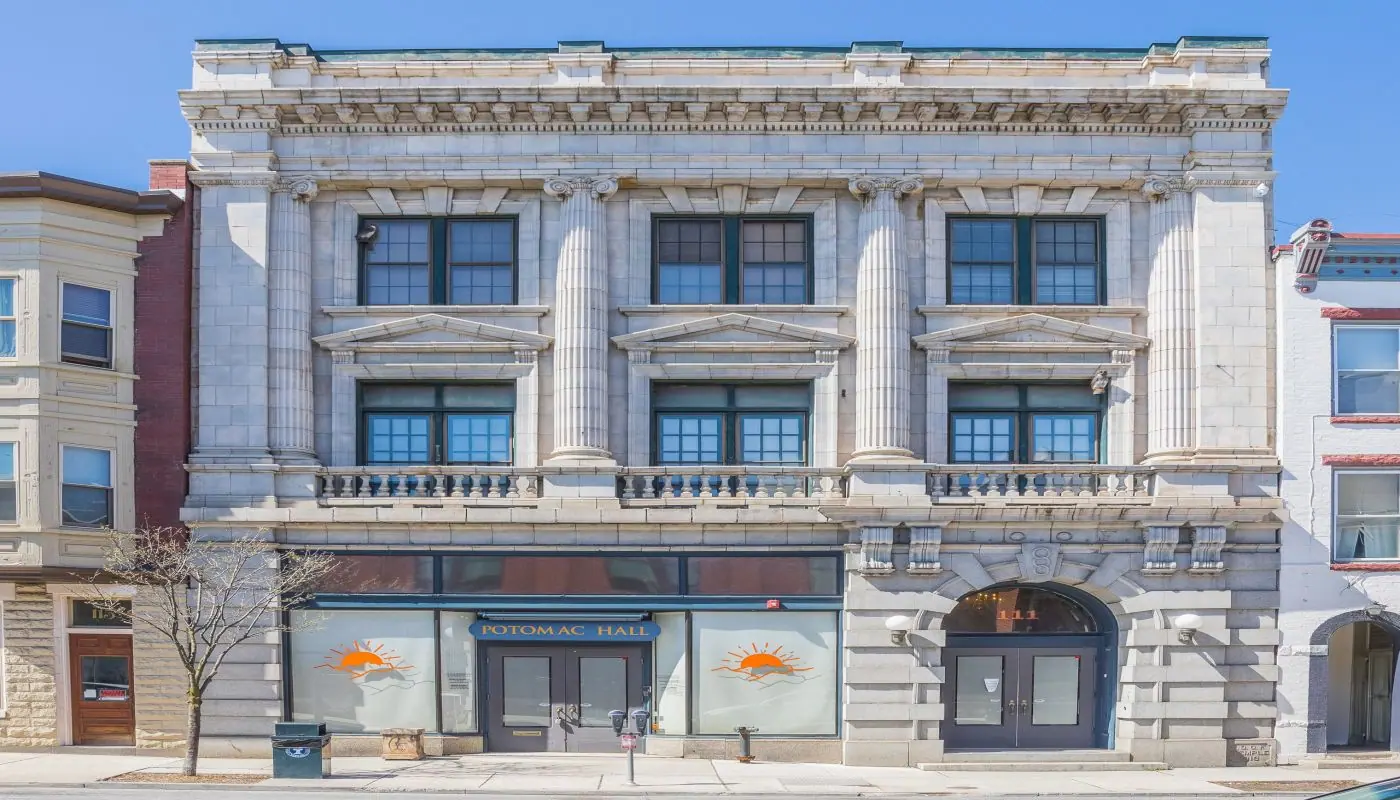
TruHealing Hagerstown is a residential alcohol rehab located in Hagerstown, MD.
30 days16-30 beds
View facility -
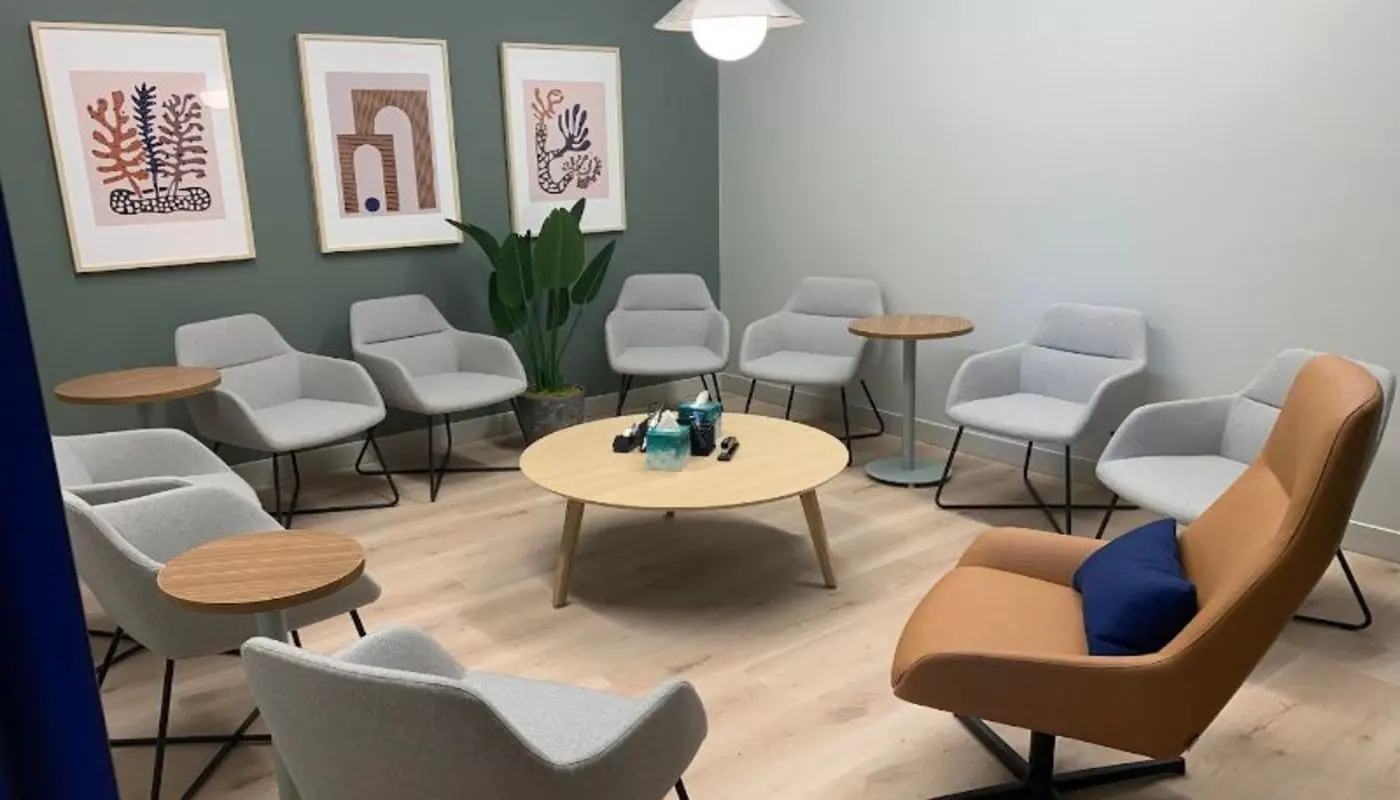
LifeStance Health Annapolis is an outpatient clinic for alcohol and mental health concerns.
30 days
View facility

FAQ
What is Homecoming Project, Inc. Bel Air?
It is a state-certified residential rehab and halfway house for women 18 and older in Bel Air, Maryland, listed among 422 facilities on SAMHSA FindTreatment.gov for the state. The program runs about 30 days and treats alcohol and drug problems alongside dual diagnosis care, with family involvement, individual treatment and 12-step support.
Does this Bel Air program accept Maryland Medicaid?
The data available does not show payment options, so you will need to confirm Medicaid acceptance with the center directly. An advisor can help you when you call the helpline ask about Maryland Medicaid, private insurance and what portion falls to you. Verify coverage before planning, because the answer shapes whether a 30-day residential stay is realistic.
How long do people typically stay in residential rehab here?
Programs commonly run 30 days. A woman's stay might extend beyond that based on her withdrawal history, co-occurring conditions or housing plans, and clinicians decide this after an assessment. Ask how the length of stay is determined and what happens if someone needs to remain longer than the standard 30 days.
Is alcohol withdrawal dangerous enough that medical care is needed?
It can be. Alcohol withdrawal may bring seizures and other serious complications, and benzodiazepine withdrawal carries comparable risks, so a doctor or nurse should oversee the process instead of someone quitting alone at home. MedlinePlus points out that withdrawal timing differs depending on the substance. Ask the center how it manages withdrawal before admission.
What questions should I ask before admission to Homecoming Project, Inc. Bel Air?
Find out if the program has an open bed for a 30-day residential stay, if your insurance or Maryland Medicaid is accepted, and how psychiatric follow-up works for co-occurring conditions. Ask as well what aftercare looks like once someone is discharged, from follow-up sessions to recovery coaching, and what to pack for a shared or private room. The helpline can help you line these questions up before you call.
How the helpline assists your checks
Calling the helpline costs nothing and is open around the clock; trained advisors connect people with licensed treatment providers. We do not treat or diagnose anyone on this site, and calling places no obligation on you; ask whatever you like and hang up whenever you want. Advisors can help you check availability at Homecoming Project, Inc., go over coverage choices, and sort out whether residential care in Bel Air fits the situation you are facing. If someone drinks heavily and withdrawal worries you, mention it during the call so the next step includes clinical oversight.