divine light residential treatment Baltimore
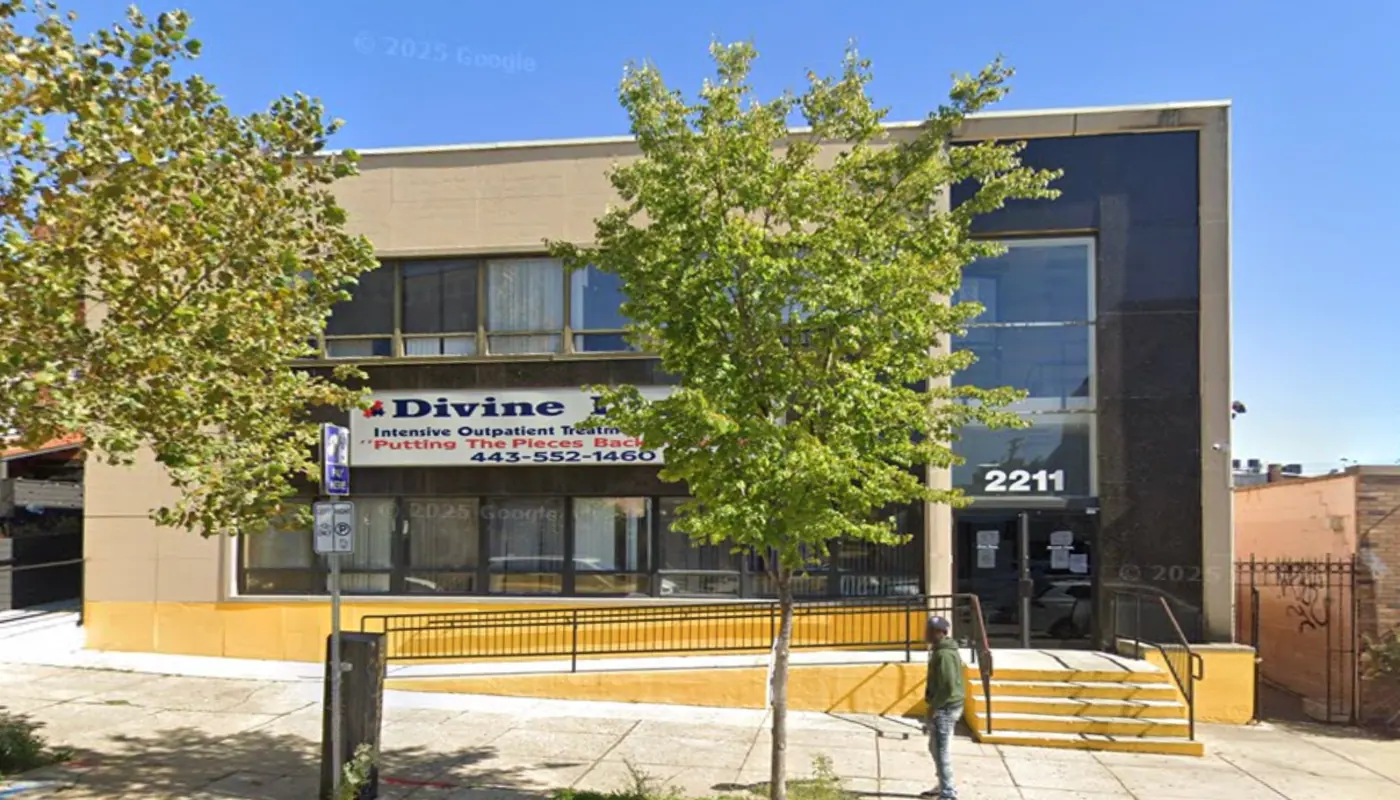
divine light residential treatment Baltimore is listed at 2211 Maryland Avenue, ZIP 21218. It is one of 422 substance use listings in Maryland on SAMHSA FindTreatment.gov. This page covers what the center lists so you know what to check.
- Outpatient
- Residential Rehab
- 5 days
Divine Light Residential Treatment appears in Baltimore listings under its own name at 2211 Maryland Avenue, Baltimore, MD 21218. The center is one of 422 SAMHSA-listed facilities in Maryland and its inclusion is not a recommendation from anyone. In its own description, the program says it works with people facing substance use disorders and mental health concerns, including cases where substance use and conditions such as anxiety or depression occur together. The listing shows residential rehab alongside outpatient care, which may mean a step-down or continuing-care path exists, though only the center can confirm that.
The description indicates clinical care combined with counseling. The services it names are group counseling family therapy one-on-one counseling, life skills work and medication-assisted treatment. Psychiatric services are mentioned as accessible, and recovery support groups like AA or NA are listed as an option. The description says every person gets a treatment plan designed for them. Because programs change, use the listing as a starting point and check with the center about what is currently being offered.
Programs at this Baltimore rehab center
Alcohol rehab in Maryland often begins with withdrawal management at a center like this one, and the listing shows residential rehab plus outpatient care, with a typical program length of five days. A five-day residential stay usually means brief stabilization rather than long-term rehab, so ask exactly what those days include and what follows them. The description also mentions partial hospitalization, intensive outpatient, outpatient care and a DUI program. For someone comparing inpatient and outpatient options in Baltimore, the listed mix deserves a direct conversation with the center before any decision.
Therapy here includes one-on-one counseling, family sessions and group work, plus life skills and medication-assisted treatment. The approaches are described as evidence-based and individually focused. If you are sifting through alcohol rehab centers in Maryland, then ask which program you would actually enter, how many days per week it meets, and whether a clinician is on site during withdrawal. A five-day stay can open the door, but the plan after it matters more.
- Medication-Assisted Treatment
- Evidence-Based
- Individual Treatment
- 1-on-1 Counseling
- Group Therapy
- Family Therapy
- Life Skills
Who the program is built for
- Men, women, and men and women together, per the center's listed client groups.
- People dealing with alcohol, heroin, opioids, prescription drugs and other drug use.
- People who have co-occurring conditions like anxiety and depression.
- People who need a short residential stay followed by outpatient support, based on the five-day listed length.
- People who want medication-assisted treatment as part of their plan.
Treatment setting, stay length, languages
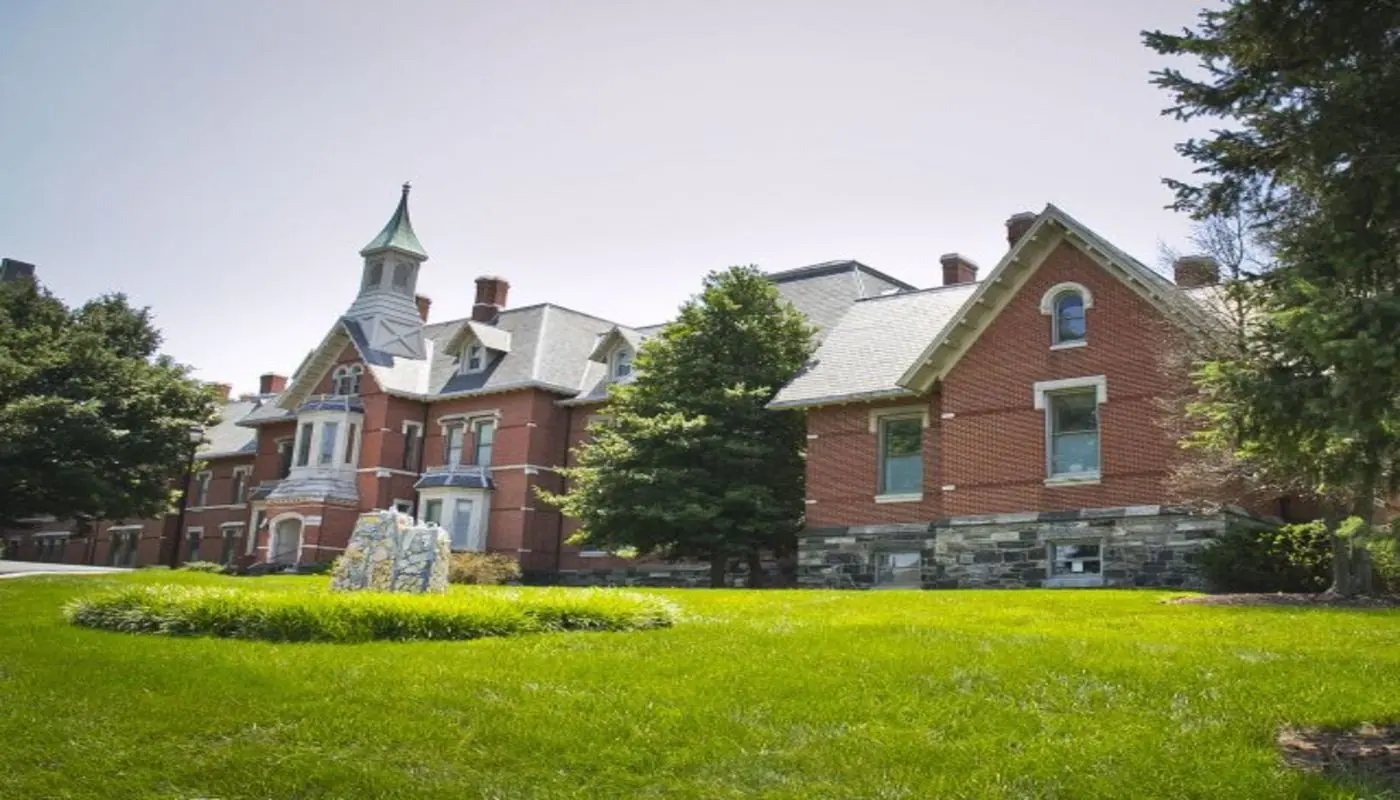
The center sits in Baltimore, Maryland, at 2211 Maryland Avenue, ZIP 21218, and lists air-conditioned rooms as its amenity, with English as the language spoken. The typical program length is listed as five days. When a stay is this short, then the next level of care should be arranged before discharge, so ask how continuing care is set up. The listing carries no information on bed count, campus size or outdoor space, so raise those questions if the physical setting matters to you.
Paying and checking insurance
The SAMHSA listing does not state which insurance plans or payment methods the center accepts, so nothing about cost should be assumed. If you carry Maryland Medicaid, then confirm the center's contract and eligibility rules directly before planning around it, since coverage varies by program. Commercial plans often cover some services, but only the center can verify your specific benefits. Ask about self-pay rates and payment plans. A helpline call can help you check availability and coverage here or at other Maryland facilities without committing to anything.
Worth asking before admission
- Does the five-day length include withdrawal management, and what happens on day six?
- Which programs am I eligible for: residential rehab, PHP, IOP, outpatient, or the DUI program?
- Will medication-assisted treatment be available to me, and who prescribes it?
- How is alcohol or benzodiazepine withdrawal handled, and is a clinician on site?
- Which insurance plans do you take, and what will my portion of the cost be?
Other facilities in Baltimore
-
- Accredited by the Joint Commission
- Co-Occurring Mental Health
- Outpatient
- Detox
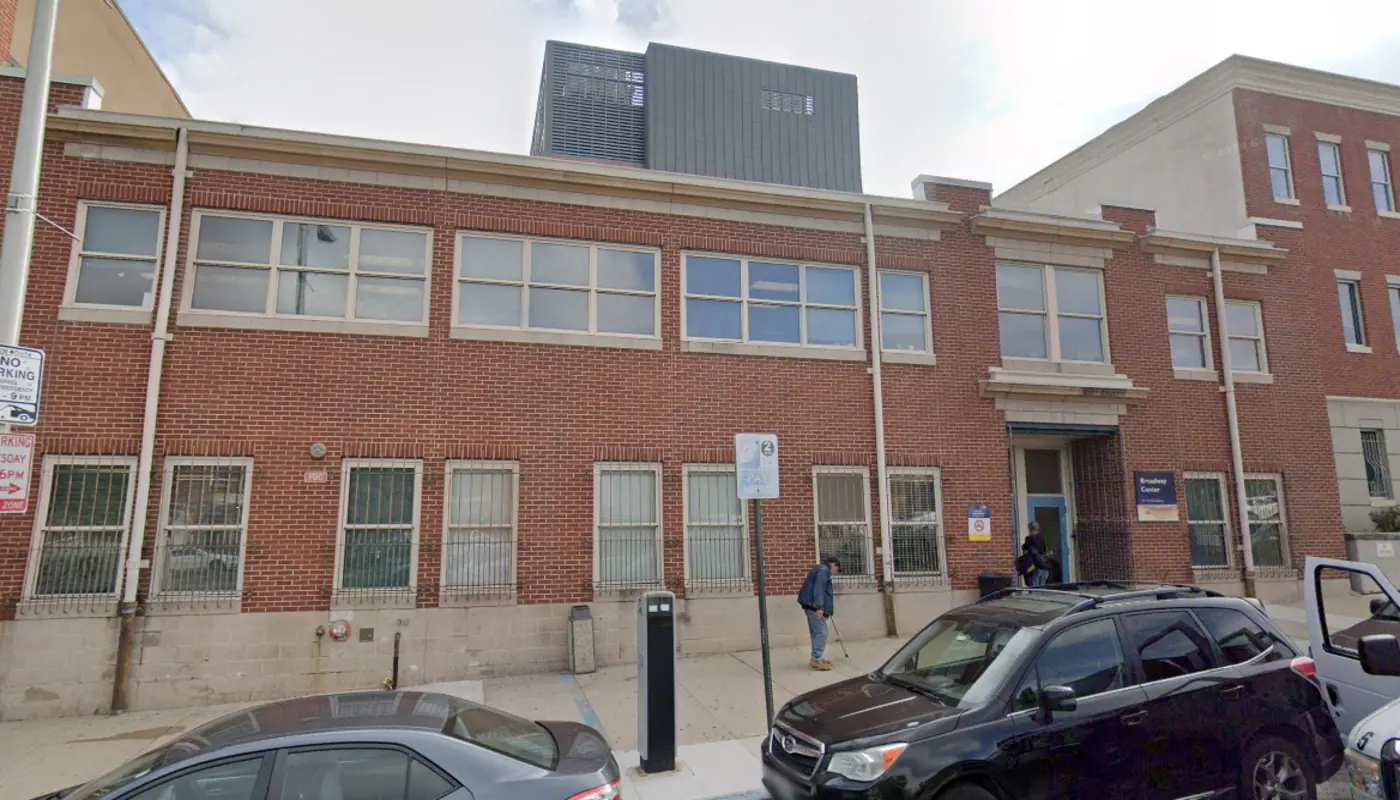
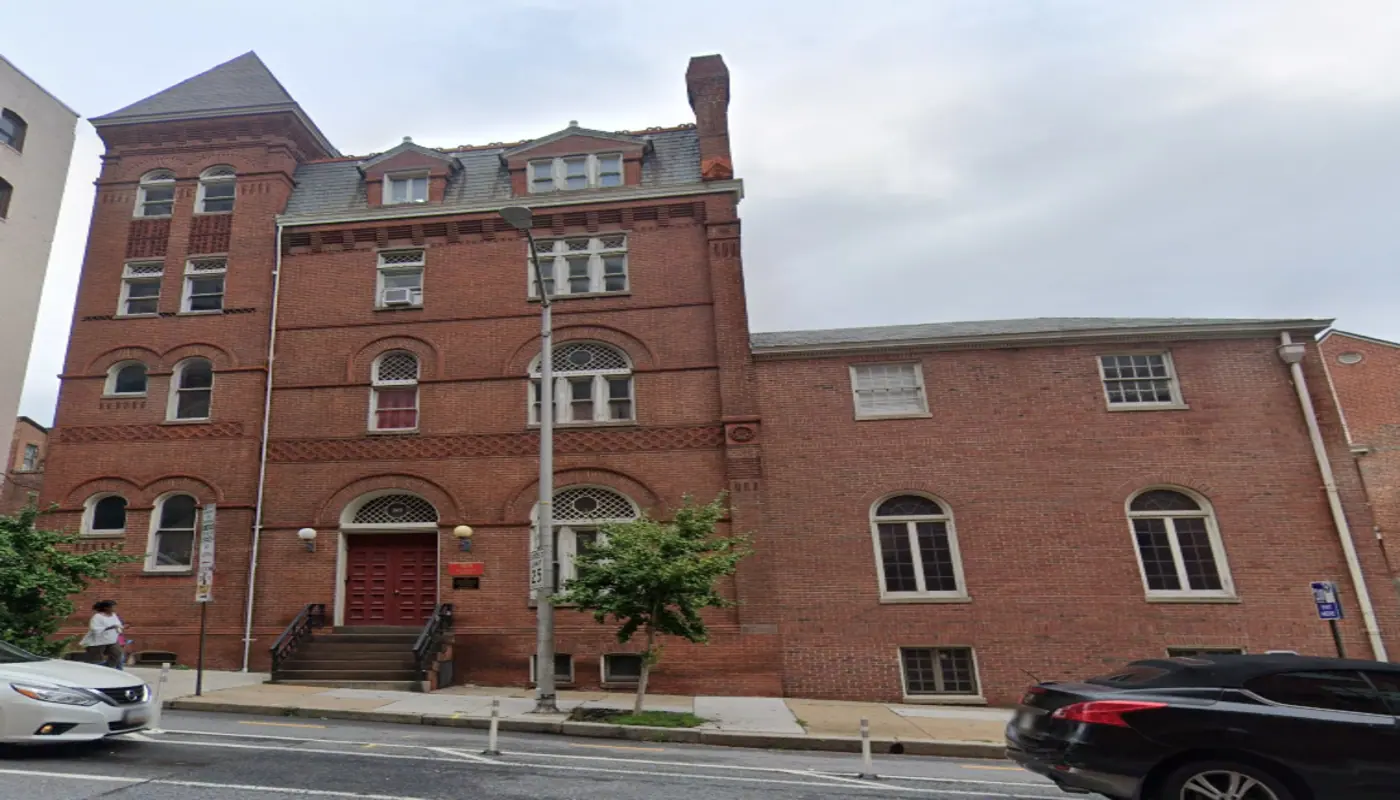
The Johns Hopkins Hospital Broadway Center Baltimore offers outpatient detox and intensive outpatient care.
30 days
View facility -
- Co-Occurring Mental Health
- Outpatient
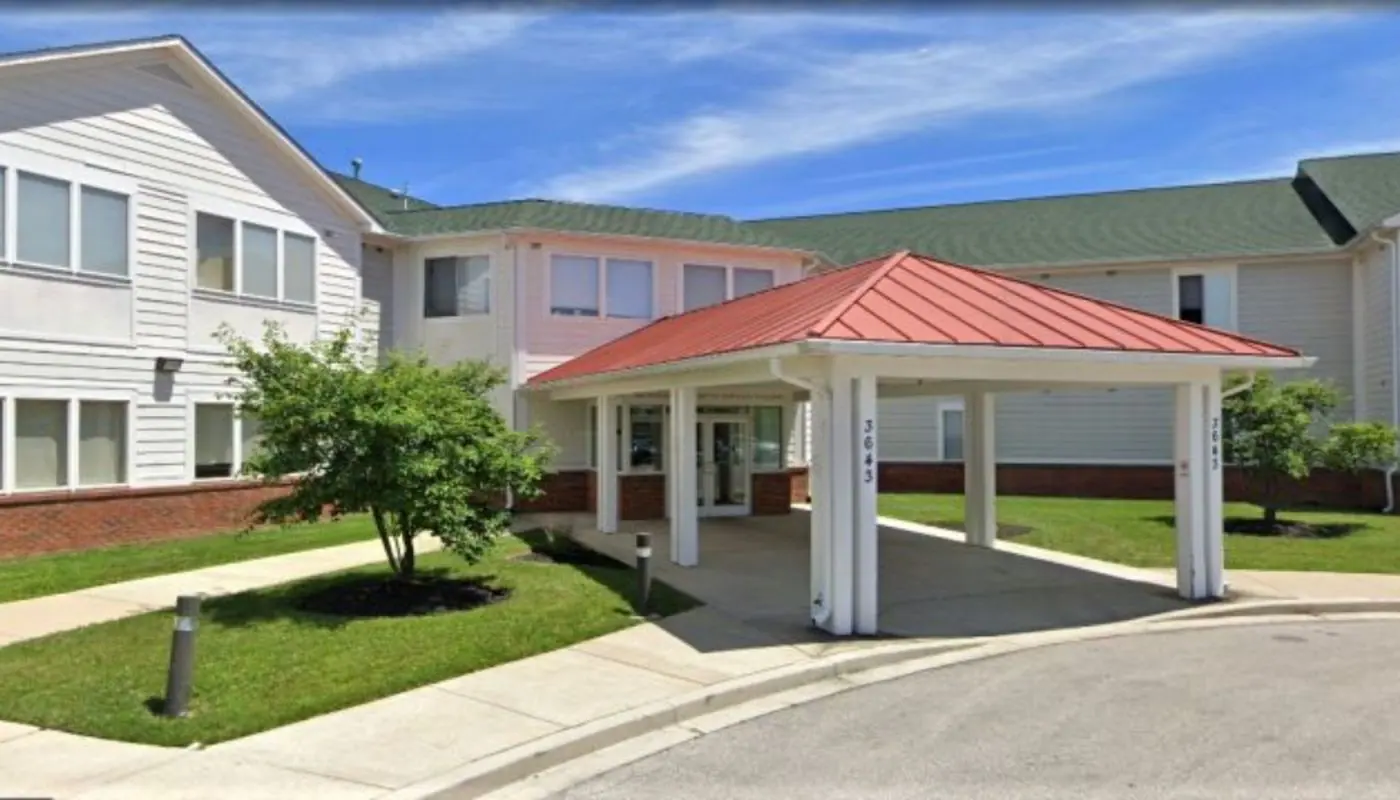
complete wellness recovery Baltimore provides intensive outpatient and step-down care in Baltimore, MD.
30 days
View facility -
- Co-Occurring Mental Health
- Residential Rehab
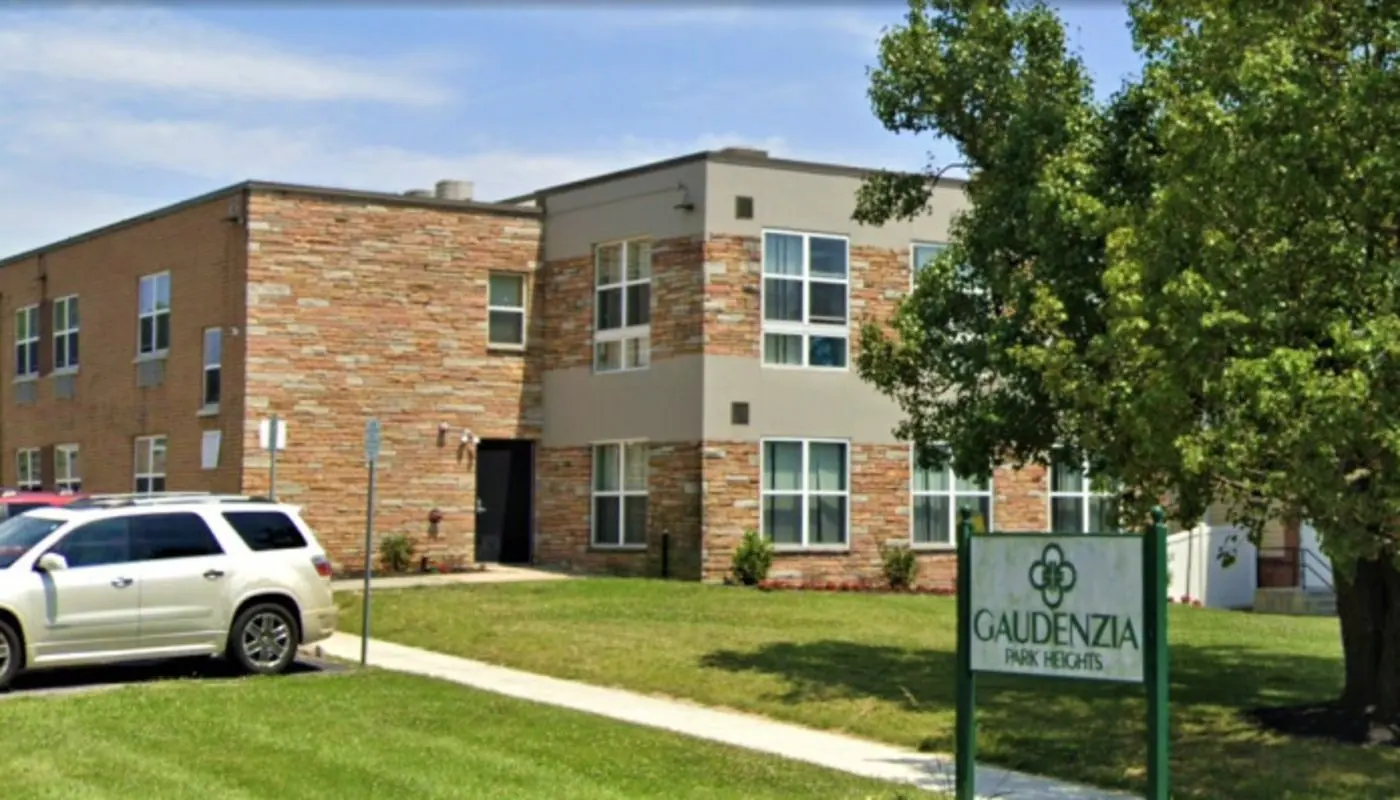
Gaudenzia Harry and Jeanette Weinberg Baltimore offers residential care to men in Baltimore.
30+ days
View facility -
- Outpatient
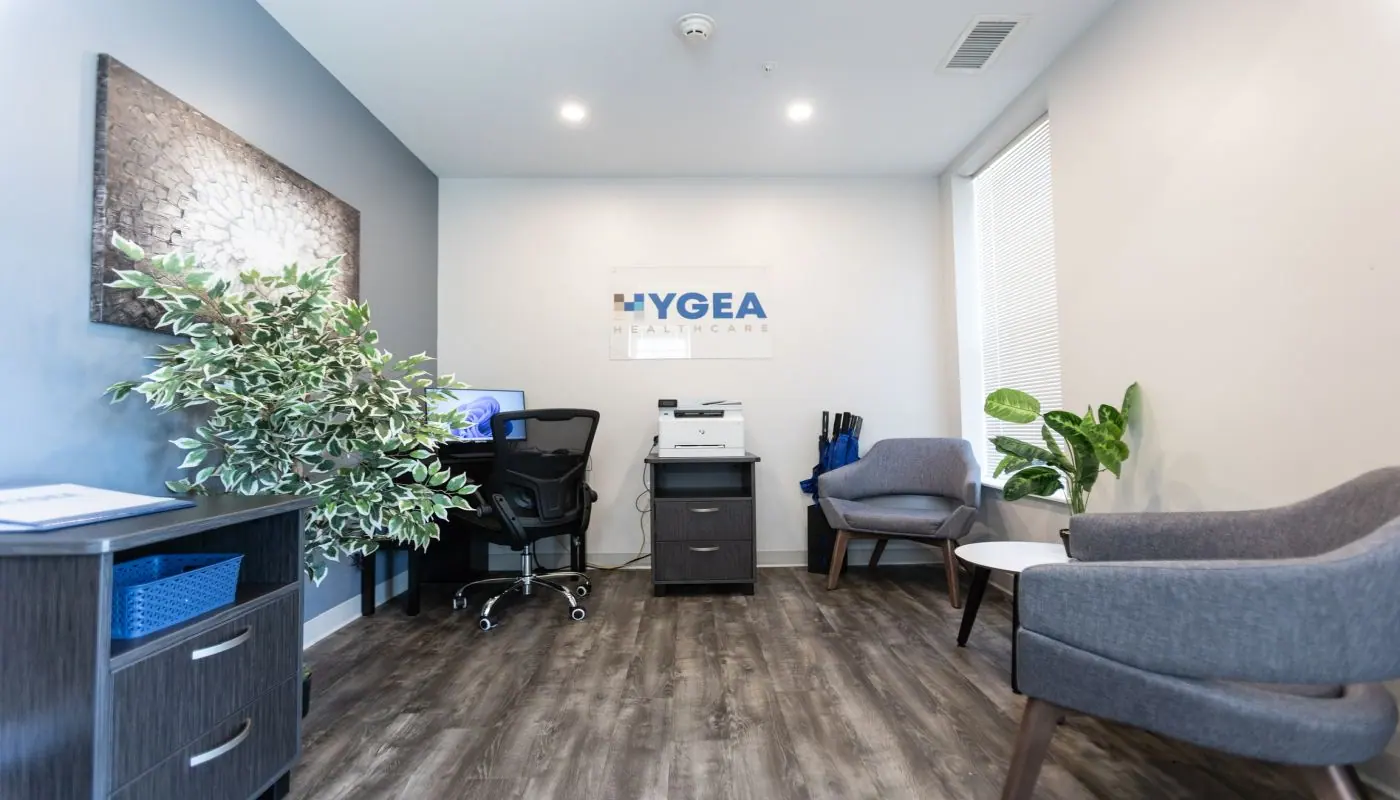
Hygea Healthcare Baltimore is an outpatient program on Belair Road in Baltimore.
30 days16-30 beds
View facility -
- Detox
- Residential Rehab
Gaudenzia Recovery Campus at Park Baltimore provides crisis support and residential care.
90 days
View facility -
- Residential Rehab
Sheppard Pratt Baltimore is a residential rehab on North Charles Street.
20+ days16-30 beds
View facility
FAQ
How much does divine light residential treatment Baltimore cost?
The SAMHSA listing for this center does not show a price. What you pay hinges on your insurance, your length of stay and the level of care you need. The typical program length listed is five days, so a shorter residential stay could cost less than a longer one, but ask for a written estimate before you commit. Call to find out what your plan covers and whether Maryland Medicaid or a payment plan applies.
Does divine light residential treatment accept Maryland Medicaid?
The listing does not say whether the center accepts Maryland Medicaid, and that is a question for the center rather than something to assume. Maryland Medicaid covers some substance use treatment, but each program holds its own contract and eligibility rules. Ask the center directly; if it does not participate, ask the helpline to check other SAMHSA-listed rehab centers in Maryland that do.
Is withdrawal managed at this Baltimore center?
Withdrawal management and a typical stay of five days appear in the center's description. Withdrawal from benzodiazepines and alcohol can become dangerous medically, so a nurse or doctor should oversee it as opposed to someone stopping at home alone. Ask if a medical clinician is on hand during withdrawal, how emergencies get handled, and whether medication-assisted treatment is included in the plan. Do not taper or dose on your own.
What is a residential rehabilitation program like?
A residential program means you stay at the facility while receiving treatment, rather than attending sessions and going home. At this center, residential rehab is listed alongside outpatient care, with a typical length of five days. Residential care suits people who need a structured setting and supervision, especially during withdrawal. Ask what a typical day includes and what support follows discharge.
How long do people stay at divine light residential treatment Baltimore?
Five days is the typical program length listed. That is short for residential care, so ask what those five days include and what follows them. Outpatient, intensive outpatient and partial hospitalization options are also listed by the center, and any of these can serve as continuing care. If what you need is a longer residential stay, ask the helpline about other facilities in Maryland listed by SAMHSA.
Checking availability in Baltimore
The helpline is staffed by trained people at all hours, and they can call the center with you to ask about current openings and confirm which insurance plans are accepted. A call costs nothing, your information stays private and no follow up is expected from you. If a clinician needs to review withdrawal risk first, the helpline can help you set that up before anyone discusses admission.